
Industry Intelligence for
Heavy Equipment & Diesel Repair
Market analysis, operational insights, case studies, and growth strategies for shop owners who want to stay ahead of the curve.
Get articles in your inbox
Industry insights for shop owners. No spam, ever.
Industry White Papers
Data-driven research for heavy equipment shop owners. Free to download — just tell us where to send future reports.
Operations White Paper
The $47K Downtime Problem
The full cost model for unplanned downtime in heavy equipment — and the four-stage prevention stack that eliminates it.
Customer Lifetime Value White Paper
The Maintenance Flywheel
How proactive shops earn $4,545 more per customer per year — and the exact math behind customer acquisition cost vs. retention.
AR Collections White Paper
Collected vs. Billed
Why heavy equipment repair has the worst collection rate of any service industry — and the 30-day AR reset plan that fixes it.
Recent Articles
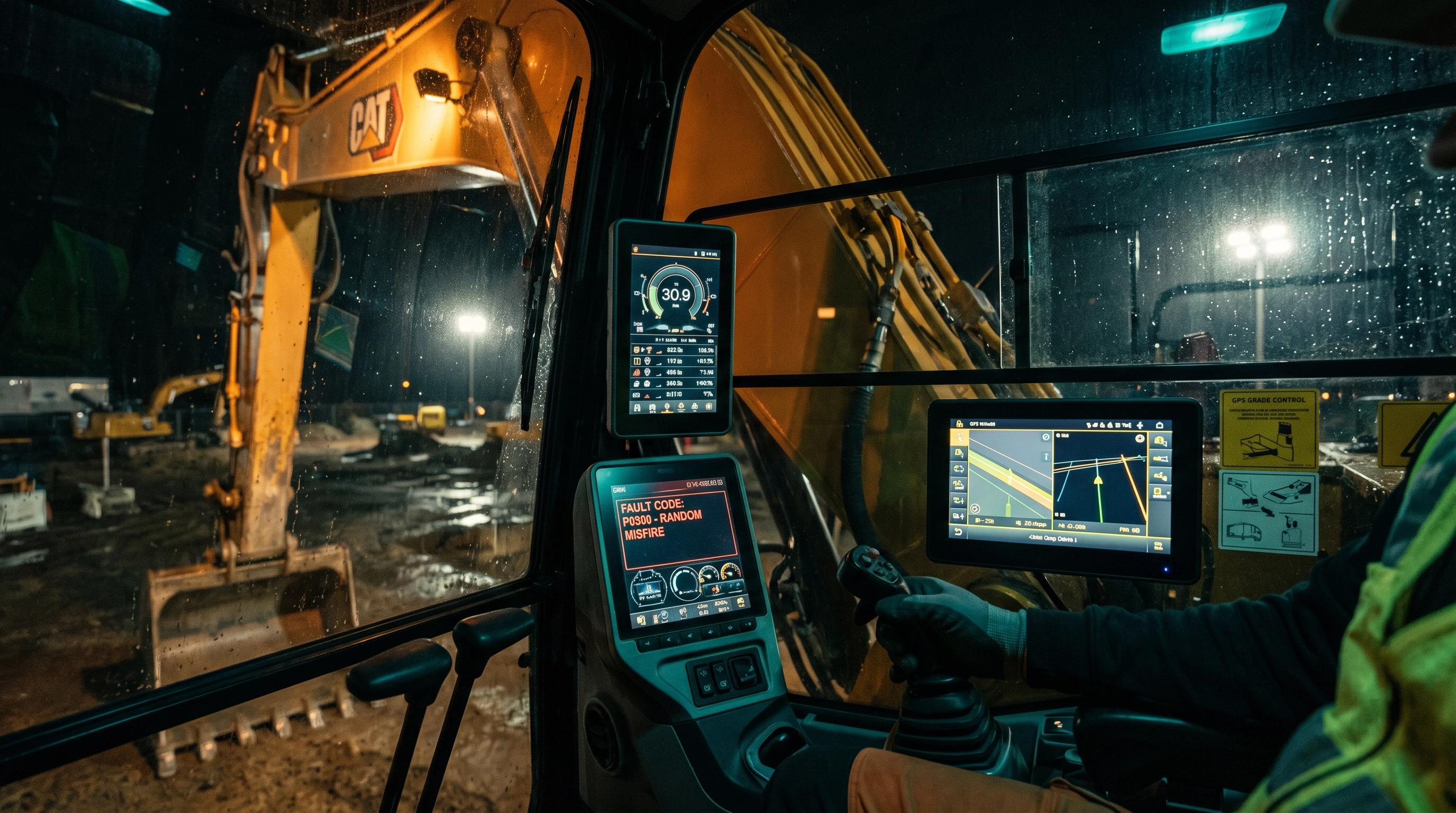
The Computer in the Cab: How New Technology Is Changing What It Means to Be a Heavy Equipment Mechanic
From telematics and CAN bus systems to AI-assisted fault detection, the machines rolling into your bay today are more computer than combustion. Here is what that means for the mechanic holding the wrench.
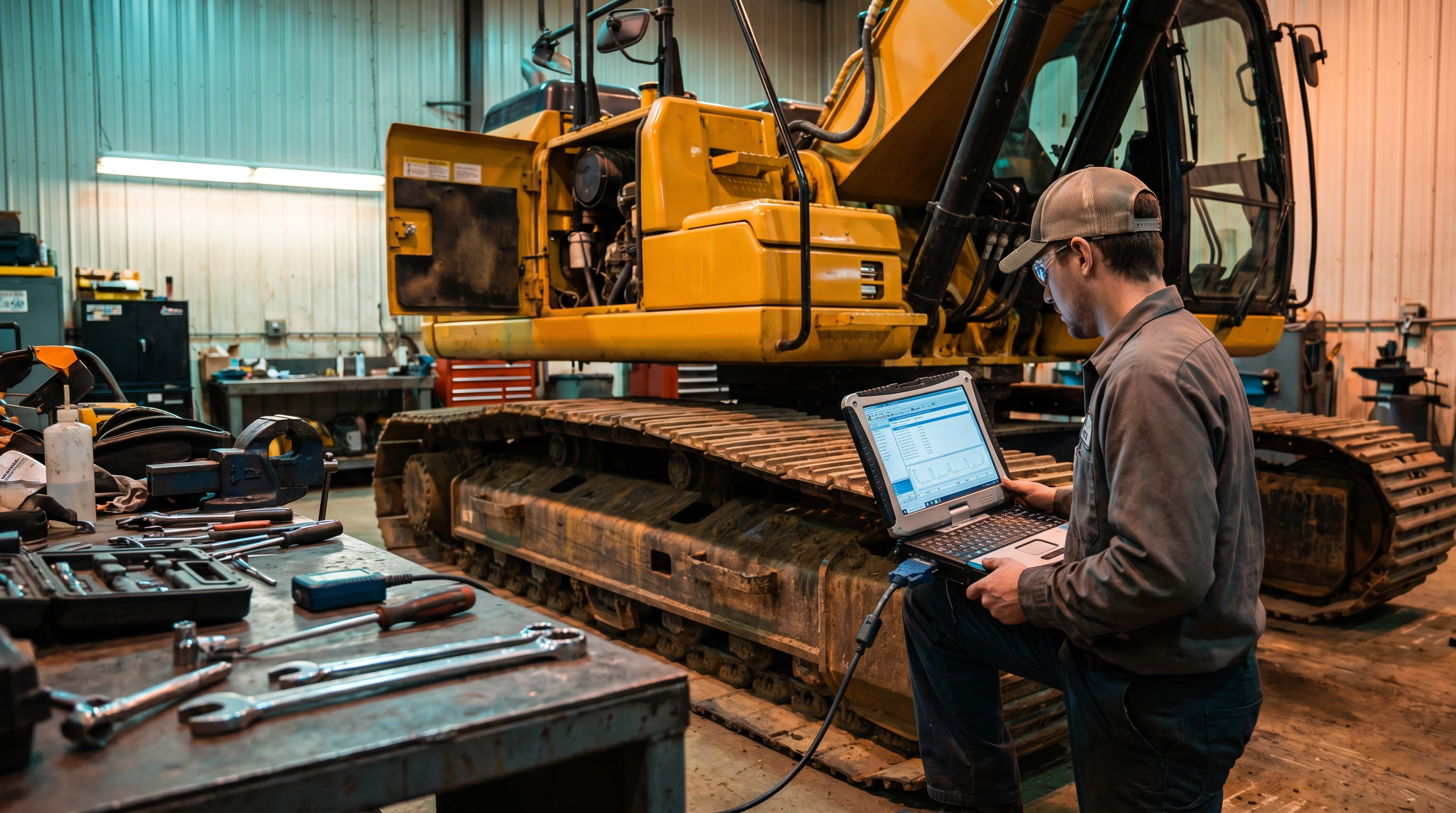
Wrench Meets Wi-Fi: The Diagnostic Tools Heavy Equipment Mechanics Are Actually Using in 2026
A practical field guide to the software, hardware, and workflows that top-performing shops are using to cut diagnostic time in half — from Noregon JPro to telematics pre-arrival workflows.

The Electric Maintenance Gap: Why Your Shop Needs to Start Preparing Now
Electric heavy equipment is 5 to 7 years from meaningful fleet penetration in most markets. That is exactly the right amount of time to build the expertise you will need.

Bluelight's Retrofit Autonomy Kit: When Your Customer's Existing Machine Gets an Upgrade
Bluelight demonstrated a retrofit autonomy kit for Cat and Komatsu dozers at CONEXPO. Retrofit autonomous systems create a new service challenge: who maintains the add-on technology?
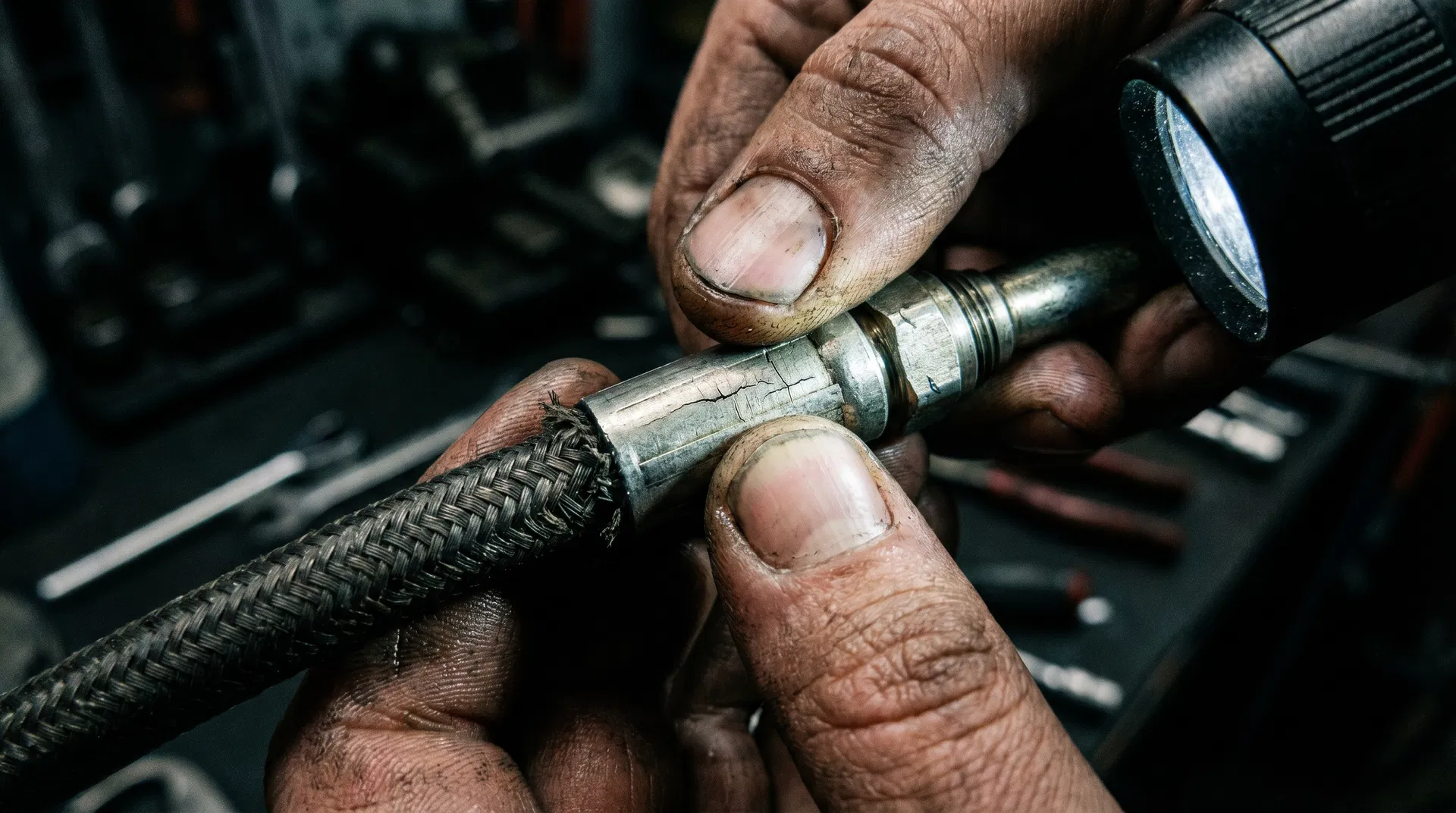
Hydraulics Never Lie: A Field Guide to Preventive Maintenance That Actually Prevents
Hydraulic failures account for nearly half of all heavy equipment breakdowns. The frustrating truth is that most of them are preventable — if you know what to look for before the system tells you in the most expensive way possible.
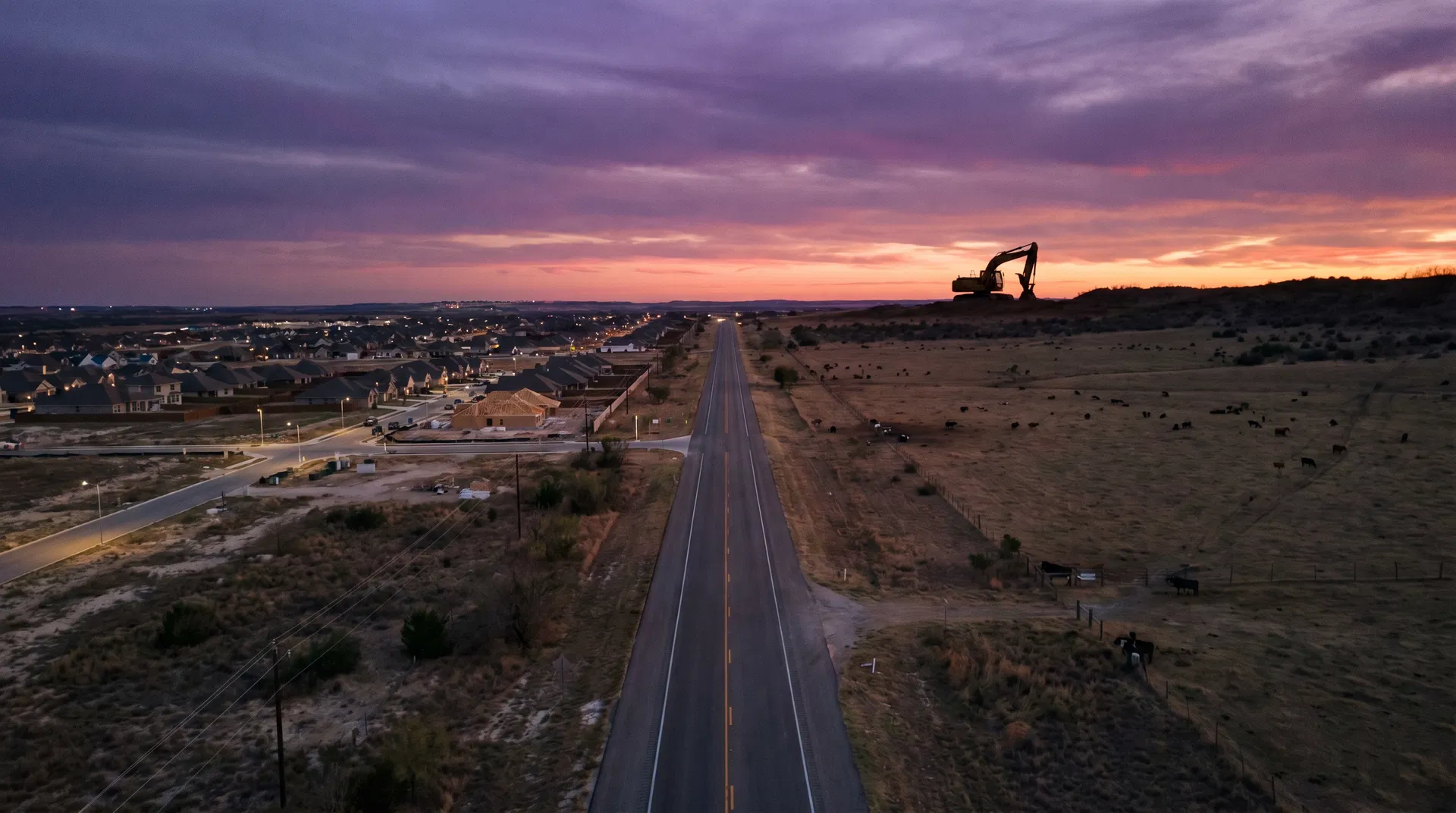
The Outskirts Are Open for Business: How the Suburban Sprawl Is Creating a New Kind of Equipment Operator
The construction frontier in Texas has moved beyond the suburbs and into the exurbs. The operators and shops working these corridors are building something more than roads and subdivisions — they're building the next generation of the industry.
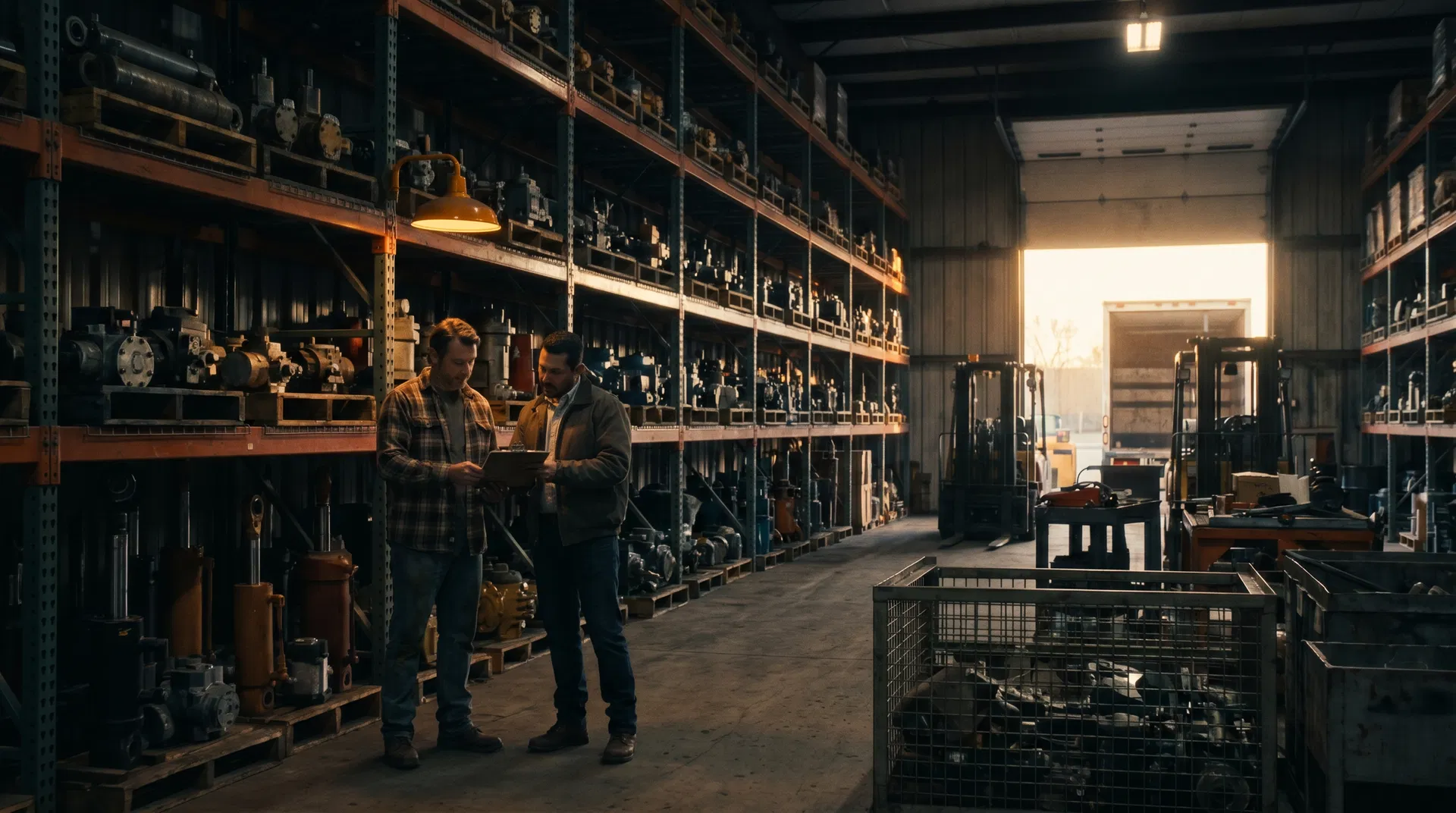
Fewer Vendors, More Leverage: The Case for Consolidating Your Parts Relationships
Most shops spread their parts purchasing across too many vendors, leaving money and service quality on the table. The shops that have figured out how to consolidate strategically are getting better prices, faster delivery, and a phone call that gets answered on Saturday morning.
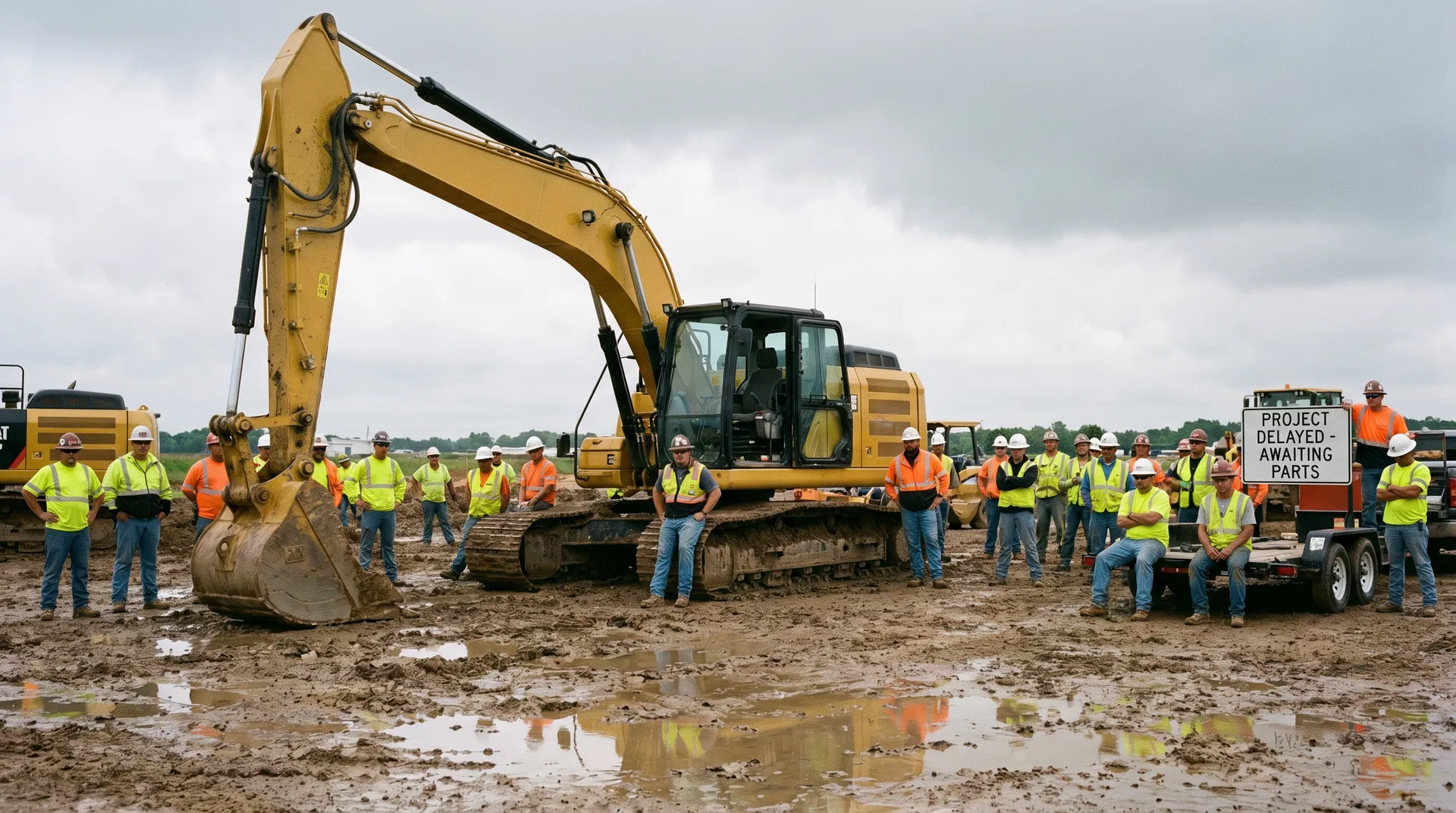
The Real Cost of Downtime: What the Data Says About Equipment Availability and Shop Profitability
A machine sitting idle on a job site is not just a maintenance problem — it is a financial event. Understanding the true cost of downtime changes how shops and operators think about preventive maintenance, parts stocking, and response time.
All Articles

When to Grow Your Shop — and How Automating AP/AR Gives You the Bandwidth to Do It
The shops that grow past $1M in revenue share one trait: they stopped doing their own billing by hand. A practical look at the signals that say you are ready to scale, and the financial infrastructure that makes it possible.

The Towns Nobody Saw Coming: How Princeton, Celina, and Fulshear Are Reshaping Heavy Equipment Demand in Texas
Seven of the fifteen fastest-growing cities in America are in Texas right now. For the shops and operators keeping construction moving in these corridors, the opportunity — and the pressure — is unlike anything seen in a generation.

What the Numbers Say: Vero's First Look at AR Collections Patterns Across Heavy Equipment Repair
Across the shops in our network, a clear pattern emerges in accounts receivable: the shops that get paid fastest aren't the ones with the most aggressive collections tactics. They're the ones with the most consistent processes.
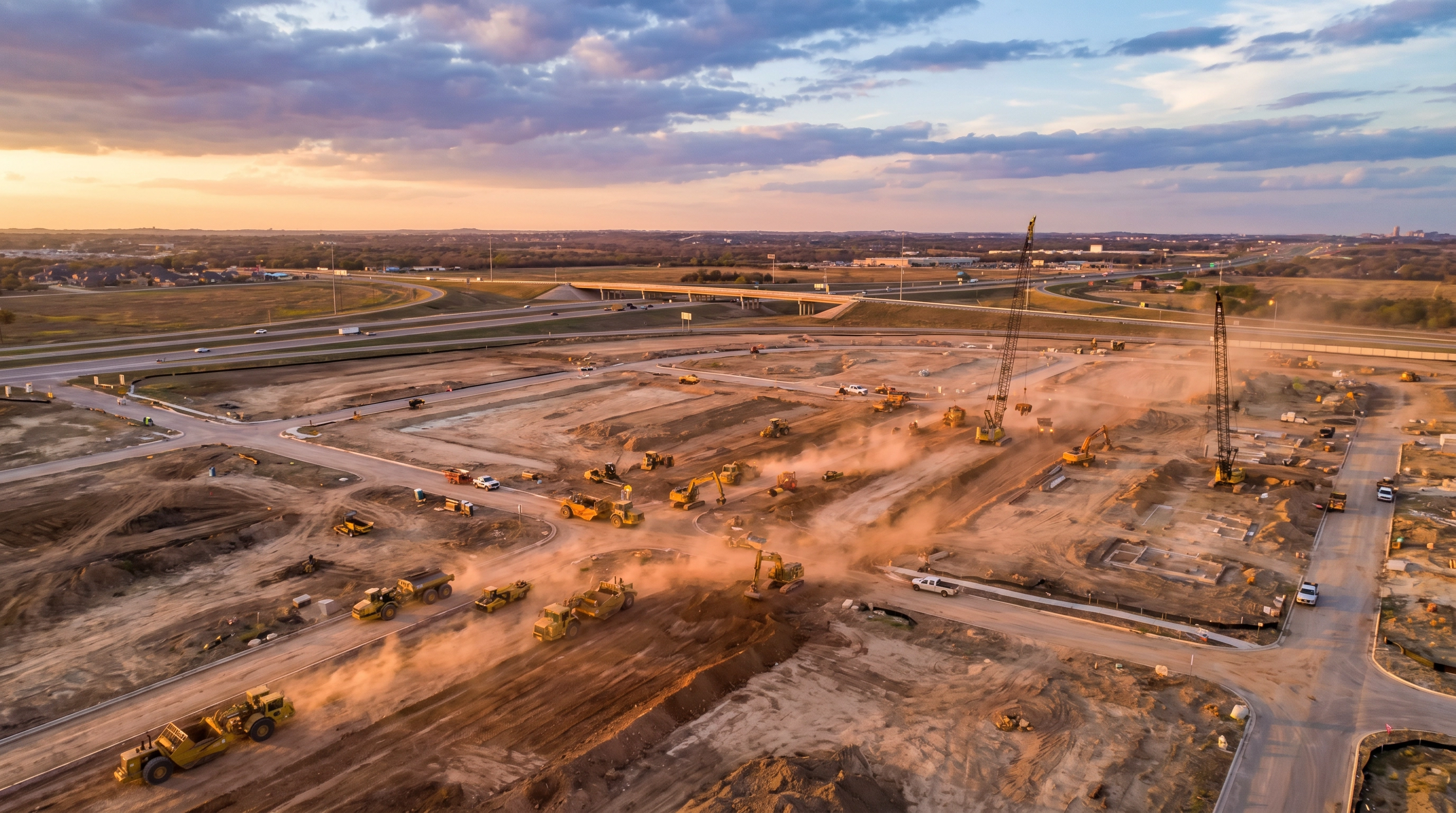
Texas Construction in 2026: What the Boom Means for Heavy Equipment Shops
Texas is adding population, roads, data centers, and industrial facilities at a pace that's straining every piece of heavy equipment in the state. Here's what's driving it and what it means for repair shops.
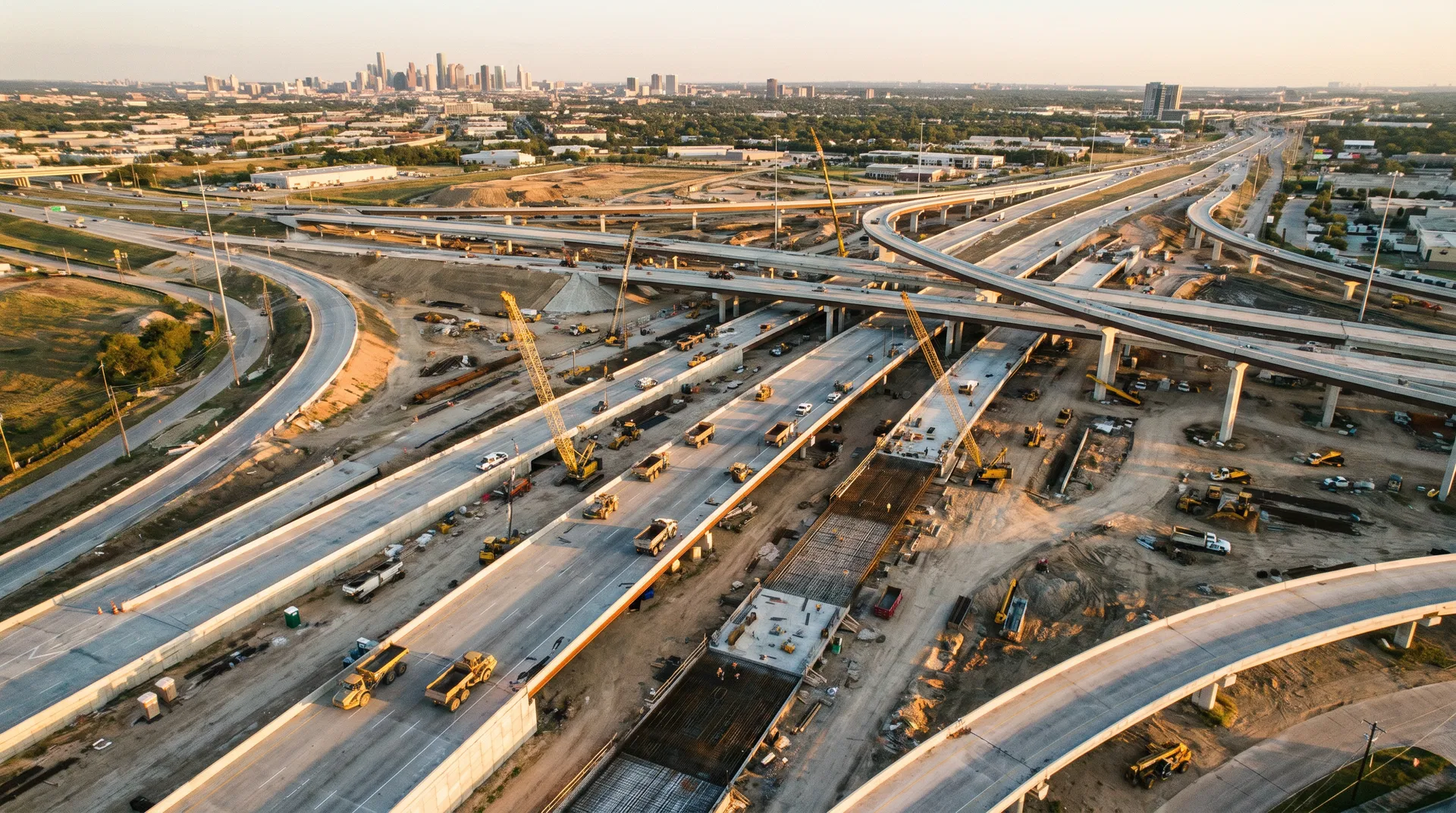
Texas Heavy Equipment Repair: Inside the $142 Billion Infrastructure Surge
Texas leads the nation in construction spending at nearly $90 billion annually. For heavy equipment repair shops in Houston, Dallas, and San Antonio, this is a once-in-a-generation opportunity — if they can manage the cash flow.
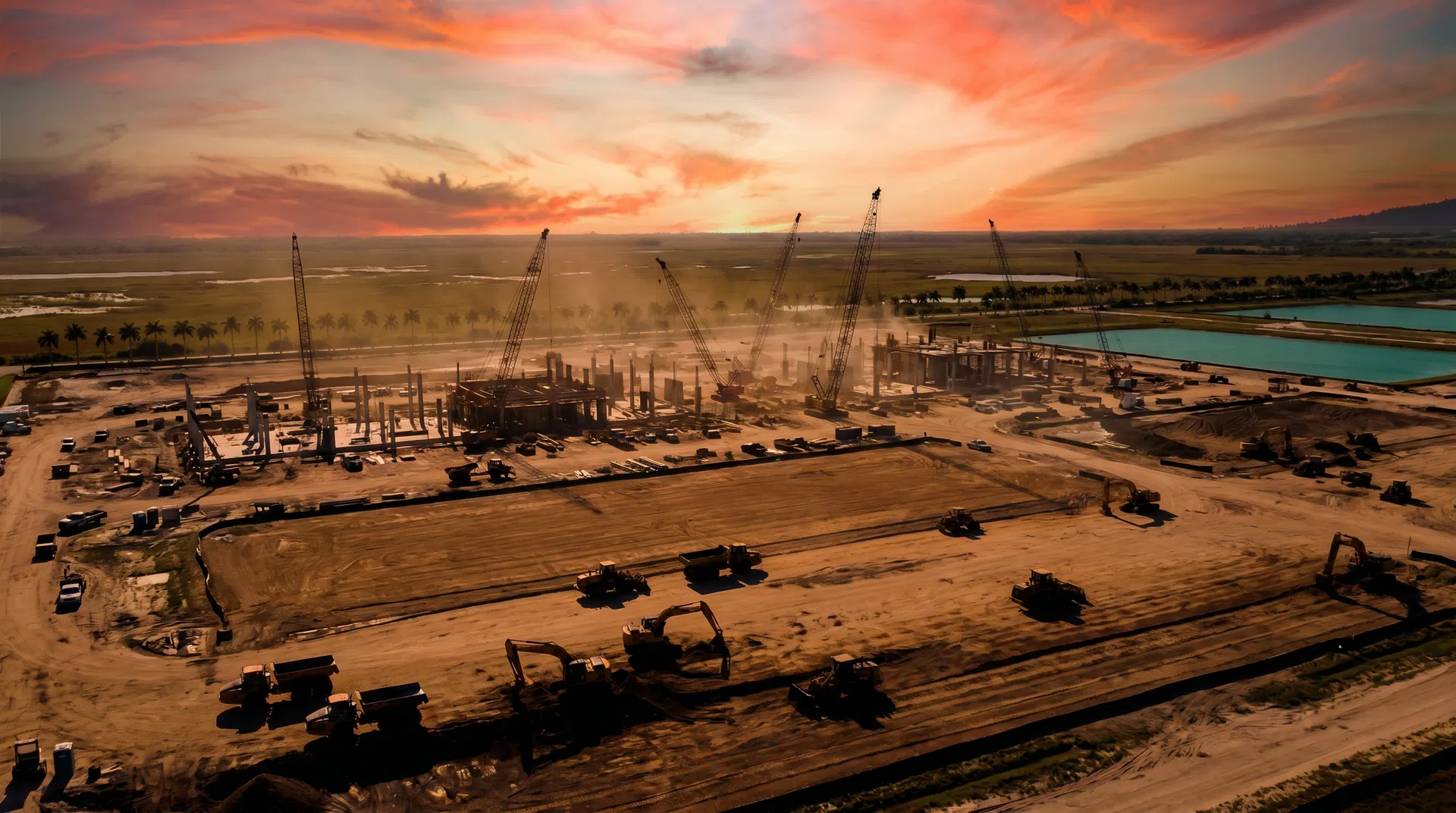
Fort Myers: Why Southwest Florida Is the Next Hotbed for Heavy Equipment Repair Shops
A conversation with a local owner-operator revealed what the data confirms: Southwest Florida's post-Ian rebuild is creating a multi-year surge in heavy equipment demand that most shops aren't prepared for.

Why Diesel Shops Lose $80,000 a Year to Bad AR Practices (And How to Fix It)
Accounts receivable mismanagement is the silent killer of profitable diesel and heavy equipment repair shops. Most owners know they have a collections problem — they just don't know how bad it is, or what to do about it systematically.
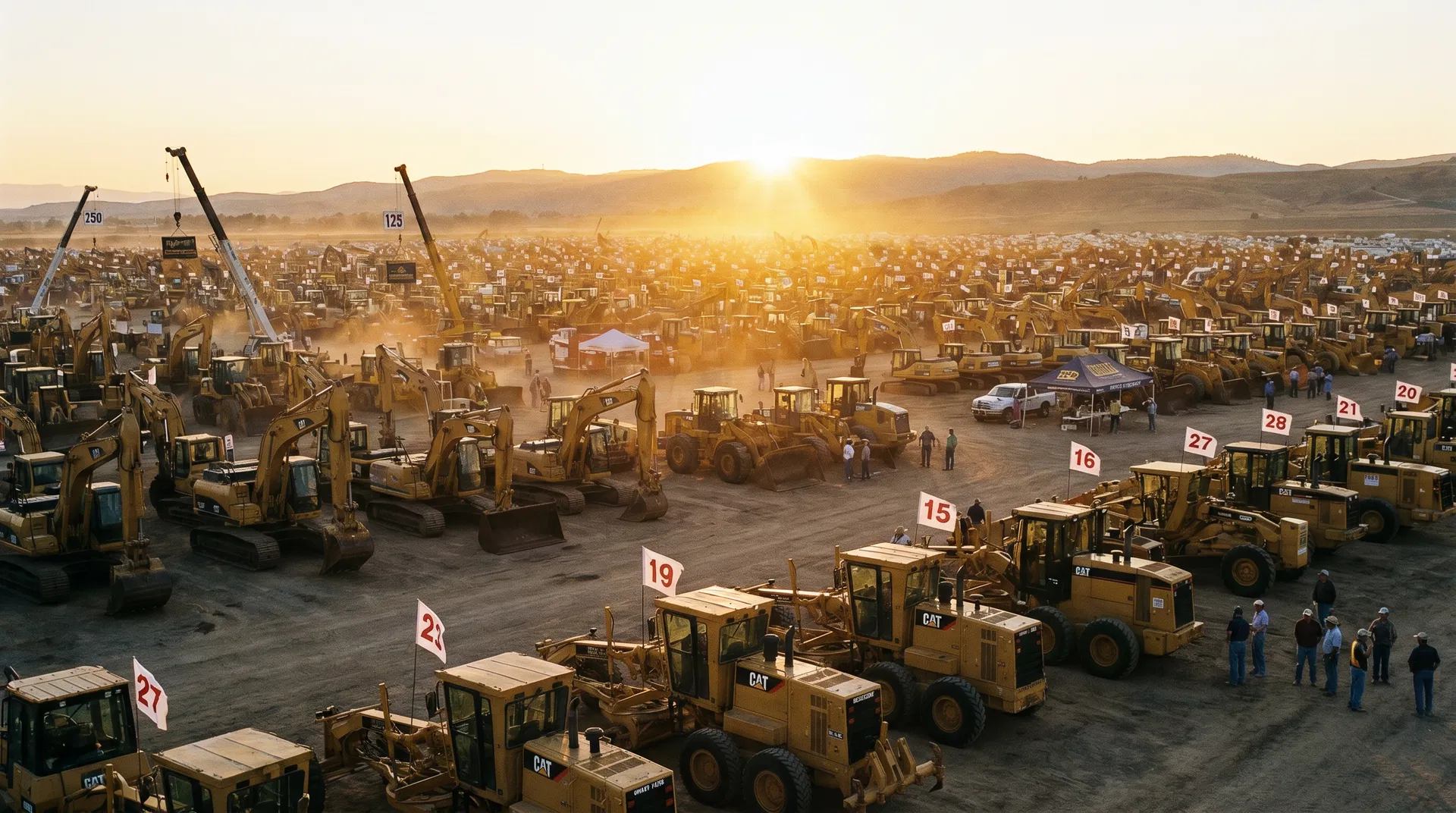
The $47 Billion Opportunity: Why Heavy Equipment Repair Is About to Boom
The heavy equipment repair and maintenance industry is entering a period of structural growth unlike anything seen in the past two decades. Infrastructure spending, fleet electrification, and a widening technician shortage are converging to create extraordinary demand — and extraordinary back-office pressure — for independent repair shops.

The Two-Minute Call That Keeps Customers for Life: Service Follow-Up in Heavy Equipment Repair
The repair is done. The invoice is paid. Most shops stop there. The ones that don't are the ones that never have to worry about where their next job is coming from.