The $47 Billion Opportunity: Why Heavy Equipment Repair Is About to Boom
The heavy equipment repair and maintenance industry is entering a period of structural growth unlike anything seen in the past two decades. Infrastructure spending, fleet electrification, and a widening technician shortage are converging to create extraordinary demand — and extraordinary back-office pressure — for independent repair shops.
Talox Research Team
Industry Intelligence
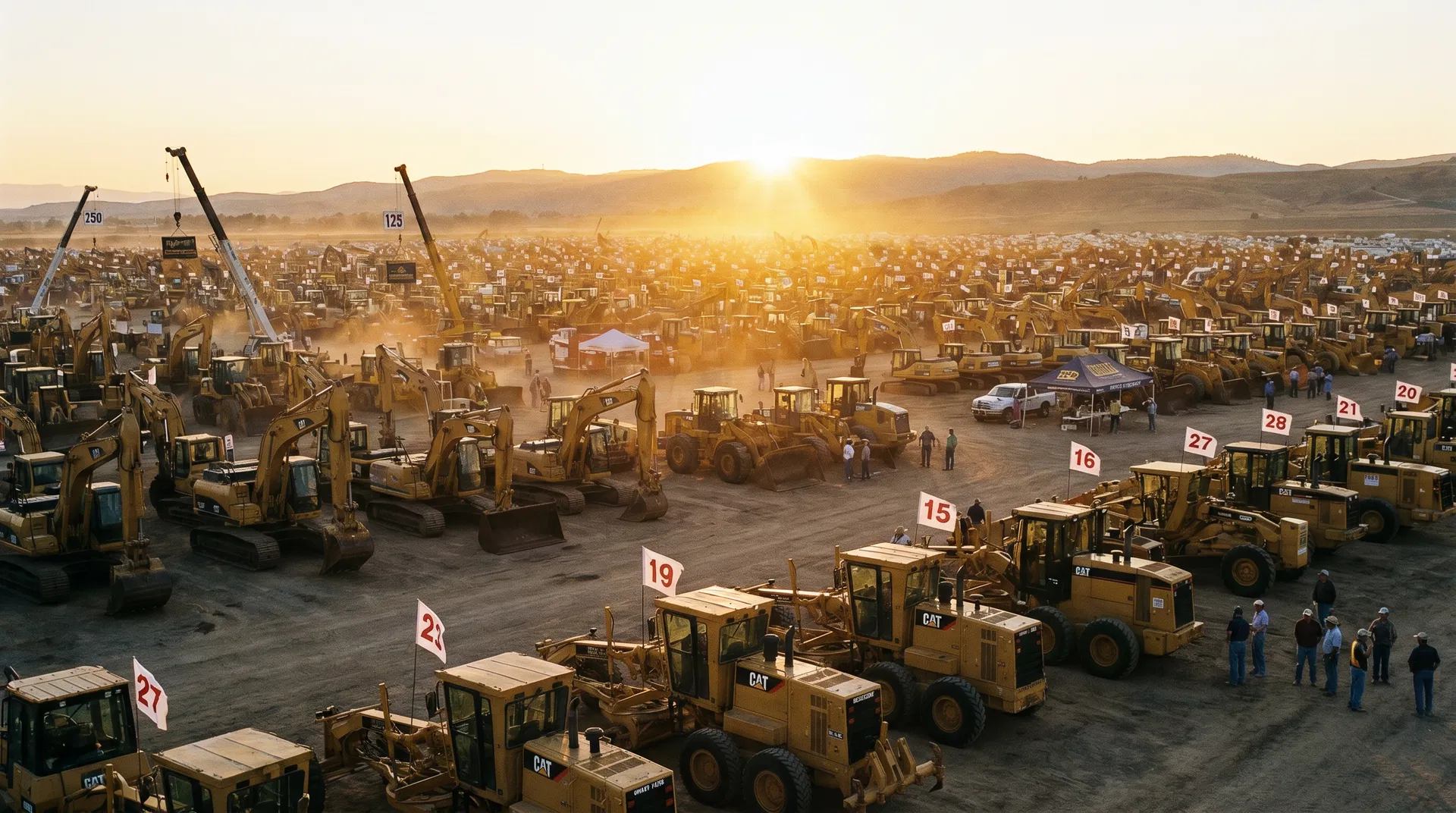
The Numbers Behind the Boom
The U.S. heavy equipment repair and maintenance market was valued at approximately $47 billion in 2024, and industry analysts project it will reach $68 billion by 2030 — a compound annual growth rate of nearly 6.3%. For context, that's faster than the broader U.S. GDP growth rate and faster than most manufacturing sectors.
What's driving this? Three forces are converging simultaneously, and each one independently would be significant. Together, they represent a generational shift in the industry.
Force 1: The Infrastructure Bill Is Finally Hitting the Ground
The Infrastructure Investment and Jobs Act, signed into law in 2021, allocated $1.2 trillion in infrastructure spending over a decade. The first two years were dominated by planning, permitting, and procurement. In 2024 and 2025, the actual construction work began in earnest — and construction work means heavy equipment.
Every highway project, bridge replacement, port expansion, and rail corridor upgrade requires fleets of excavators, graders, cranes, and haul trucks. Those machines break down. They need preventive maintenance. They need emergency repairs in the field. The shops that service them are the invisible backbone of American infrastructure.
The direct implication for repair shops: Work order volume is rising. Fleet operators are expanding their equipment inventories. And the demand for fast, reliable repair — especially on-site diesel and mobile repair — is growing faster than the supply of qualified shops can keep up.
Force 2: Fleet Age Is Climbing
The average age of heavy construction equipment in the United States has been rising steadily since the 2008 financial crisis, when capital expenditure on new equipment collapsed. Many fleet operators deferred replacement cycles, and those decisions are now manifesting as aging iron that requires more frequent and more complex repair.
According to equipment industry data, the average age of a heavy construction equipment unit in active service is now approximately 12 years — up from 9 years in 2010. Older equipment means more downtime events, more parts replacement, and higher labor intensity per service event.
For independent repair shops, this is a double-edged dynamic. Volume is up, but so is complexity. A 2012 excavator with 14,000 hours on the engine is a fundamentally different service challenge than a 2020 unit. Shops that can handle that complexity — and that have the back-office systems to manage the resulting billing and collections complexity — are the ones that will capture the growth.
Force 3: The Technician Shortage Is Structural, Not Cyclical
The diesel technician shortage is one of the most underreported labor market stories in America. The Bureau of Labor Statistics estimates that the industry needs to hire approximately 28,000 new diesel mechanics and heavy vehicle technicians per year just to keep pace with retirements and demand growth. Current training pipeline output falls well short of that number.
This shortage has two effects on repair shops. First, it drives up labor costs — experienced diesel technicians are commanding wages that would have seemed extraordinary five years ago. Second, it forces shops to become more operationally efficient. You can't afford to have your best technician spending 45 minutes chasing down a payment dispute or reconciling an invoice discrepancy. Every hour of technician time is too valuable to waste on back-office chaos.
What This Means for Independent Shop Owners
The shops that will thrive in this environment share a common characteristic: they have separated the work of fixing equipment from the work of running the business. The technicians fix equipment. The back-office systems handle everything else — invoicing, collections, vendor payments, compliance.
Shops that are still running AR on spreadsheets, chasing payments manually, and reconciling Fullbay with QuickBooks by hand are going to find themselves increasingly squeezed as volume grows. More work orders means more invoices. More invoices means more collection events. More collection events means more time spent on the phone instead of in the shop.
"The shops that scale in this environment will be the ones that automate the money side of the business as aggressively as they've automated the diagnostic side." — Talox Research
The Back-Office Bottleneck
Here's the paradox of the current growth environment: the same forces that are driving revenue growth are also driving back-office complexity. Infrastructure projects mean fleet operators, and fleet operators mean net-30, net-60, and sometimes net-90 payment terms. They mean purchase orders, three-way match requirements, and accounts payable approval workflows that can delay payment by weeks.
The shops that are best positioned to capture the growth opportunity are the ones that have built systems — not just skills — to manage that complexity. Automated AR follow-up. Integration between their shop management software and their accounting system. Visibility into aging receivables before they become write-offs.
The $47 billion opportunity is real. The question is whether your back office is ready to handle the volume it's about to bring.
Tags
Ready to take control of your AR?
Start your free trial and see how Talox automates collections, syncs your platforms, and keeps cash flowing.
Get the next article in your inbox
Join shop owners and mechanics who get Talox industry insights, data reports, and field guides — no sales pitches, just the good stuff.
No spam. Unsubscribe anytime.
More in Market Analysis
Q1 2026 State of Heavy Equipment Repair: A Vero Intelligence Report
18 min read
The Real Cost of Downtime: What the Data Says About Equipment Availability and Shop Profitability
6 min read

What the Numbers Say: Vero's First Look at AR Collections Patterns Across Heavy Equipment Repair
7 min read